
What's the definition of decentralized applications (DApps)?
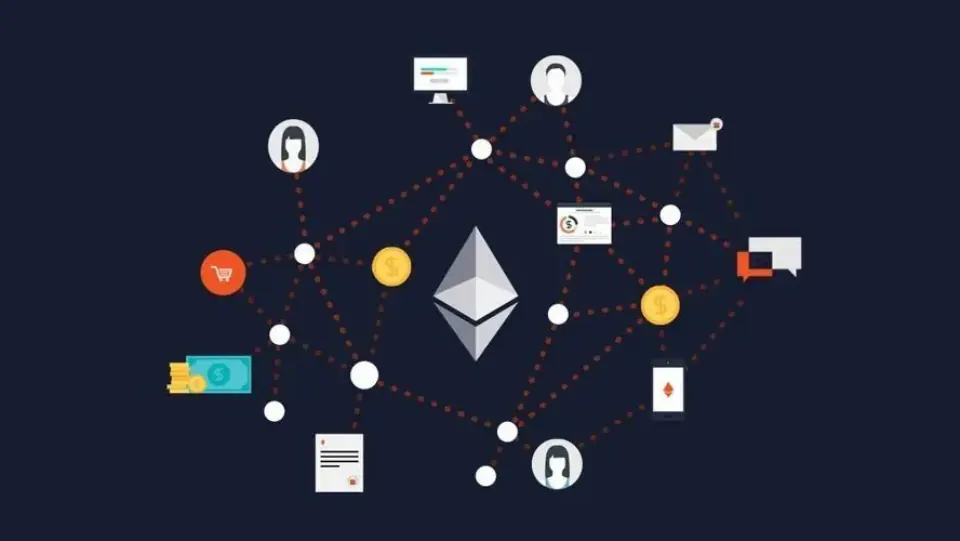
DApps stand for decentralized applications. Blockchain-based DApps generally run a decentralized ledger, such as Ethereum. Most DApps share some features with traditional applications that commonly run on central cloud servers. DApps offer users some unique perks thanks to its being based on blockchain networks, as records on DApps are tamper-proof and immutable, transparent and highly interoperable.
Checklist
- What's the definition of decentralized applications (DApps)?
- What other details that we need to know about decentralized applications (DApps)?
- What to make of this nerdy term of decentralized? Here are some quick facts about DApps:
- Some of the scripts of code that power a DApp are deployed on a blockchain network such as Ethereum and are open-source.
- Unlike user data of traditional AWS-based applications, records of DApp users are kept on a public, decentralized ledger and are immutable.
- Users can interact with the distributed codes of DApps to create or modify their data, and the changes will have to be confirmed by the participating nodes in the corresponding blockchain networks.
- Once data has been confirmed there, provided that the network has no serious inherent flaws, no one will be able to doctor the proofs on the network.
Notes
What other details that we need to know about decentralized applications (DApps)?
What to make of this nerdy term of decentralized? Here are some quick facts about DApps:
Unlike user data of traditional AWS-based applications, records of DApp users are kept on a public, decentralized ledger and are immutable.
Users can interact with the distributed codes of DApps to create or modify their data, and the changes will have to be confirmed by the participating nodes in the corresponding blockchain networks.
Details follow the official OKX help article; this page is a learning checklist, not an official mirror.