
A taker order occurs when you place a trade that is immediately filled against an order already on the order book. Taker orders incur a fee based on the taker fee rate.
A maker order happens when you place an order that goes on the order book with a set price and quantity, such as a limit order that sits on the book until matched.
Checklist
- When will the maker and taker fees occur? What is the difference between maker and taker fees?
- Why are the fees different for market orders and limit orders?
- How do I check my current fee rates and what are the fee rates for different levels?
- Open my trading fees page
- Open user menu from homepage
- Open trading fee tier page to view the trading fee details
- How do I check the current fee rate for a specific pair on the trading page?
- Select Fee rules to view more about your current fee tier and rules
- How can I check the trading fees in advance?
- How can I upgrade my VIP level and reduce trading fees?
- How do I view the total trading fees for Futures?
- How do I view the total profit/loss for Futures?
Notes
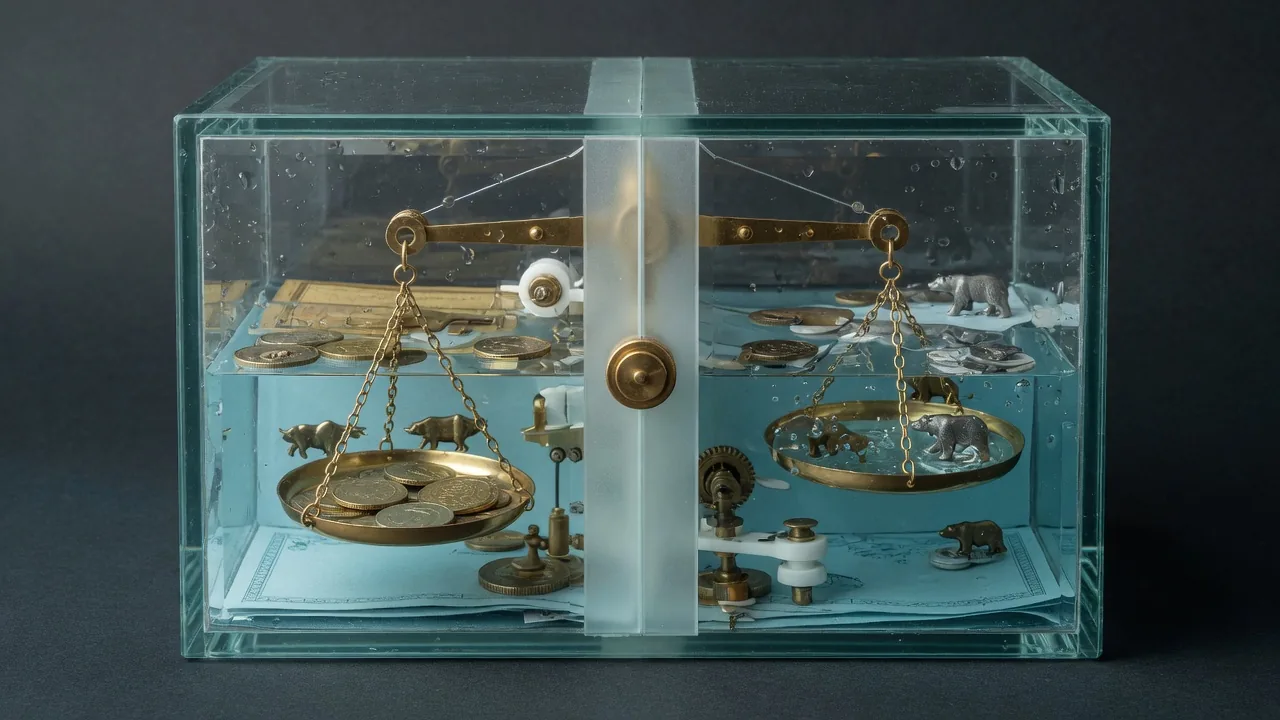
Maker orders are charged a fee based on the maker fee rate. Maker orders add to the order book’s liquidity, providing more depth to the market. In contrast, taker orders remove liquidity by filling orders on the order book, reducing market depth. To incentivize liquidity provision by makers, maker fees are typically lower than taker fees. For detailed rules, you can read more about our trading fee schedule.
Fees may differ because they’re based on how an order is executed, not on whether it’s a market order or a limit order. Specifically, fees depend on whether your order is executed as a taker or a maker.
Market orders usually execute immediately against existing orders in the orderbook, so they’re typically charged taker fees. In periods of low liquidity or high volatility, a market order may be partially filled, and any unfilled portion may be cancelled.
Limit orders may incur maker or taker fees, depending on execution. If a limit order matches immediately with an existing order, it’s treated as a taker order. If it’s placed on the orderbook and filled later, it’s treated as a maker order.
Details follow the official OKX help article; this page is a learning checklist, not an official mirror.